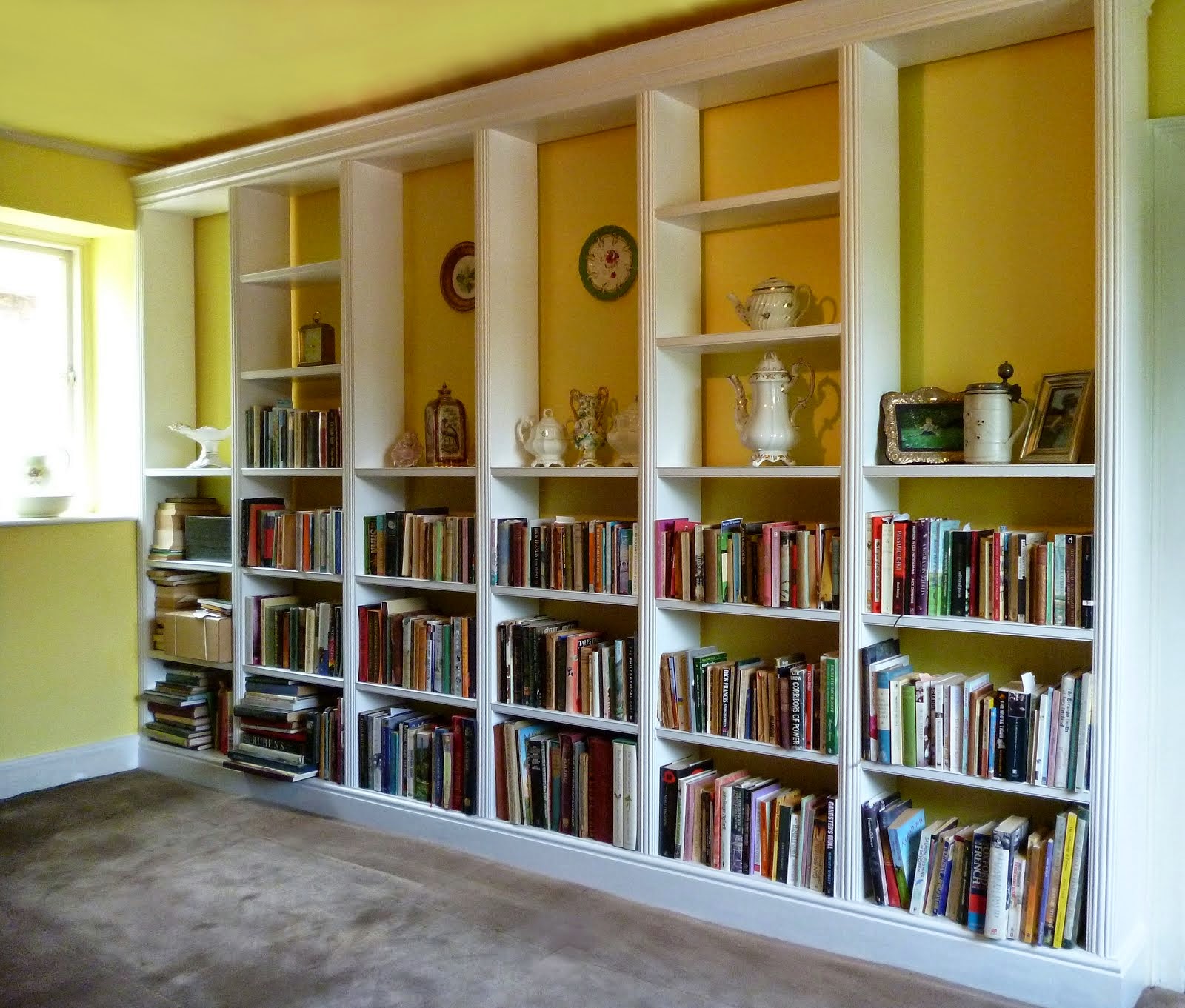
New bookshelves in Milverton

New bookshelves in Milverton

The service I offer

My name is Tom Morrell. I am a musician and craftsman, based in Wiveliscombe.

BESPOKE BOOKSHELVES

I can help you to make the most of the space in your home or workplace with elegant storage, built to your specifications.

DESIGN

I start each project by visiting your space, measuring up and then producing a 3D design, so you know exactly what we're planning. We need to agree that it will be just right for you and for the room.

EXPERT INSTALLATION

The next stage is to produce more detailed design drawings, a cutting list and an estimate of the cost. I install the job myself, using the most appropriate materials, with the minimum of mess and noise. I make sure that your installation looks great, works well and lasts for ever!

contact

email: t.morrell@uwclub.net

facebook: https://www.facebook.com/BespokeBookshelves

telephone: 01984 624496


Wood shelving completed in January 2017

Wood shelving completed in January 2017

Testimonials


"Tom's creativity is exceptional. I am grateful for the skill
and application with which he designed, fitted and then painted
different units in my cottage where space is limited and walls are
crumbling and lumpy! Even better, Tom leaves everything clean and tidy at
the end of each day. I am delighted with the end result and can at last
house all my books, CDs and clutter".


Mrs R


I would not hesitate in recommending the work of Tom
Morrell. His thoughtful understanding of his customers' individual requirements
and his excellent craftsmanship in the finished article are outstanding.

Jonquil Alpe


Tom hand crafted a picture frame for me identical to another one [one of
my favourite art nouveau pieces]. Almost impossible to tell difference between
new one and original. I would certainly use his services again and definitely
recommended.


Roger W., Wiveliscombe


Dear Tom, The builders left and you came. You filled the various empty spaces with beautiful cupboards and shelves and our house was completed. Thank you so much for the care, design and solid craftsmanship you put into the many projects we asked you to carry out. Your constructions and painting remain most appropriate and will last for many years and............we really missed you when you had gone.

Mike B


Tom’s design perfectly fitted the bill. Solidly built and beautifully finished
off.

Jane and Jeff


Corner Unit

Corner Unit

An installation for a discerning customer in Wiveliscombe

An installation for a discerning customer in Wiveliscombe

Another installation for the same discerning customer

Another installation for the same discerning customer

2020 Wiveliscombe

2020 Wiveliscombe

completed February 2020

completed February 2020

below: a design for some bedroom shelves

below: a design for some bedroom shelves

finished installation

finished installation

Design for 21st century display unit

Design for 21st century display unit

in place

in place

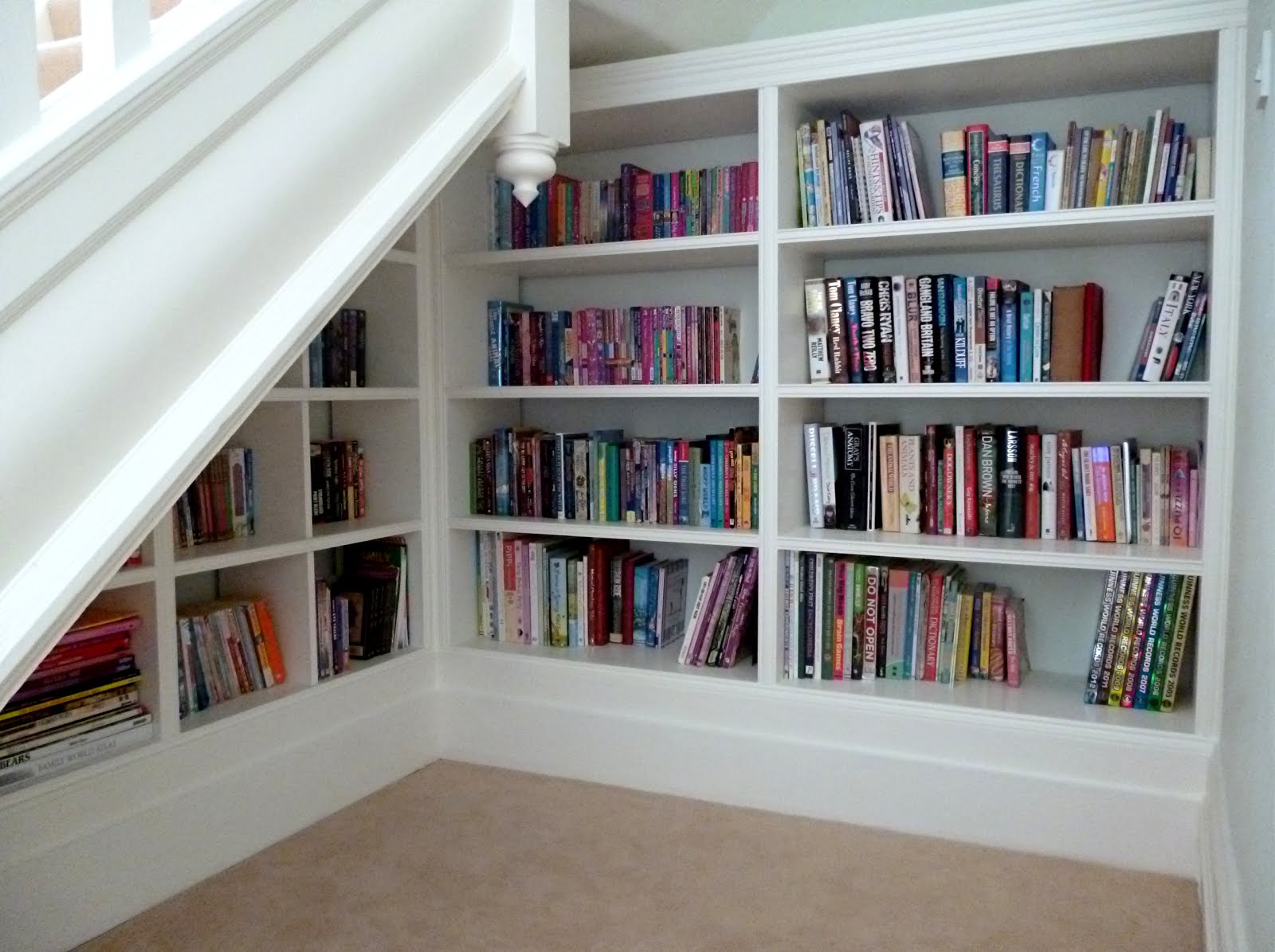
Drawing room corner unit with concealed cupboard-under-the-stairs

Drawing room corner unit with concealed cupboard-under-the-stairs

bookshelves April 2019

bookshelves April 2019

elegant storage

elegant storage

A kitchen peninsula

A kitchen peninsula

A new unit in oak for a gin connoisseur in Milverton

A new unit in oak for a gin connoisseur in Milverton

little library (please mind your head!)

little library (please mind your head!)

Bespoke Bookcase

Bespoke Bookcase

another bespoke bookcase

another bespoke bookcase

an unusual solution for an unusual corner

an unusual solution for an unusual corner

sitting room cupboards and shelves

sitting room cupboards and shelves

large oak-faced MDF units

large oak-faced MDF units

new top for 1930 dentist's cupboard

new top for 1930 dentist's cupboard

cottage shelves

cottage shelves

L-shaped book case

L-shaped book case

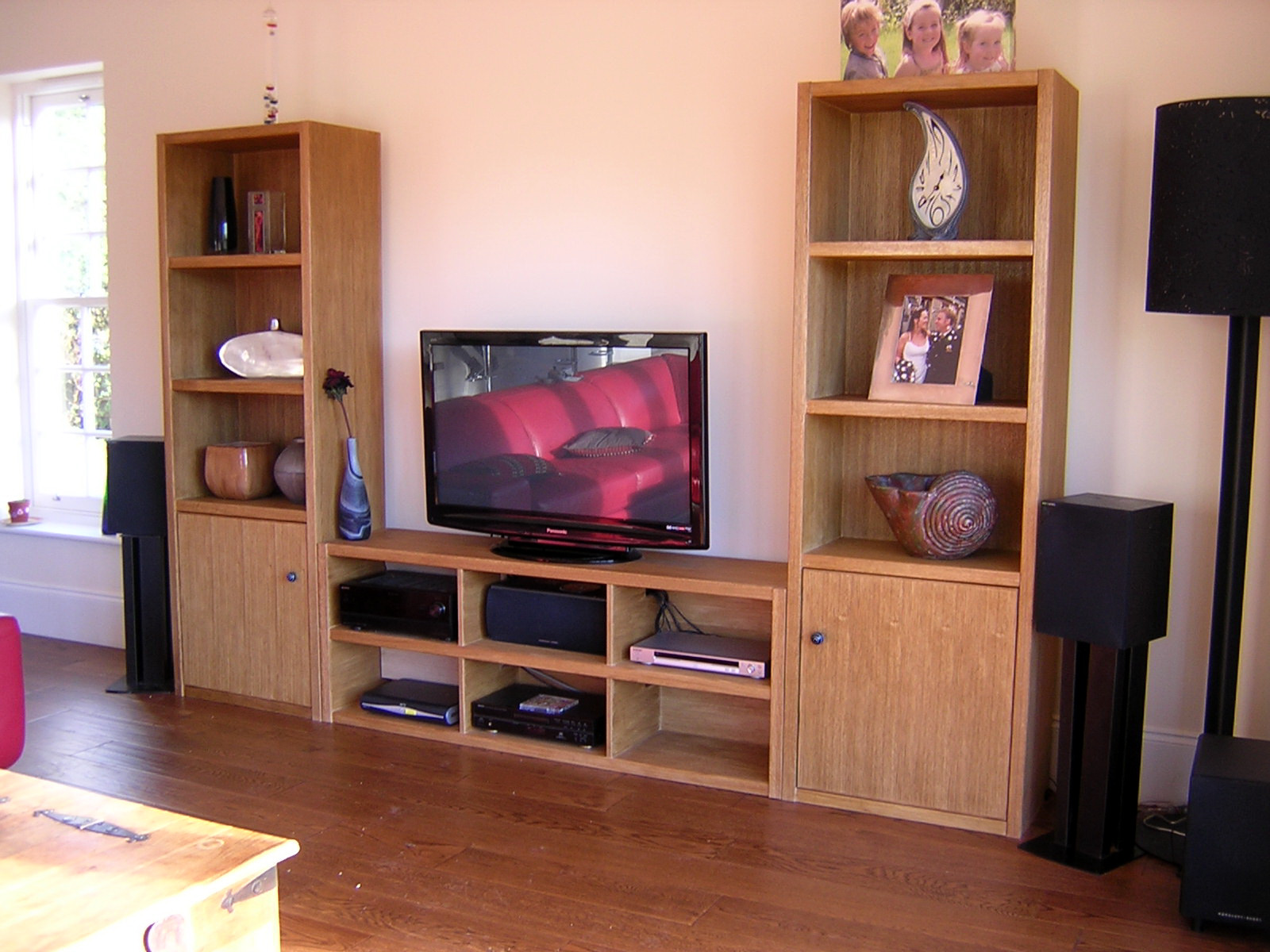
TV station

TV station

Another TV station

Another TV station

Liz's jam store

Liz's jam store

alcove

alcove

home office

home office

mantel shelf with corbels in sapele

mantel shelf with corbels in sapele

smallest room

smallest room

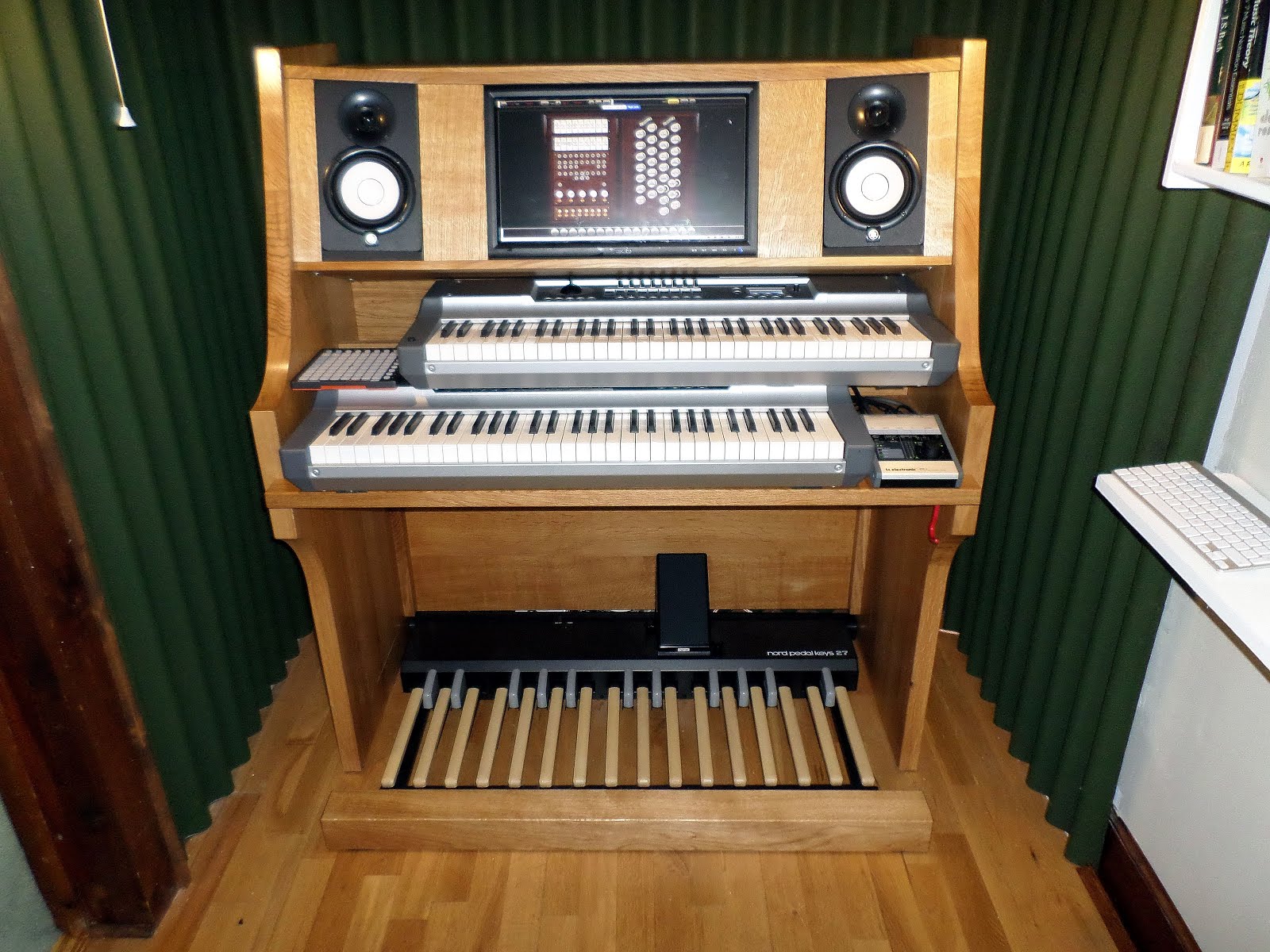
solid oak organ console

solid oak organ console

Music stand

Music stand
(power for the light is through usb cable)

design for pew converted to choir cupboard

desk top

desk top

first stage

first stage

horticultural

horticultural

detail

detail

MDF Shelving

MDF Shelving

loaded kitchen shelves

loaded kitchen shelves

floating study shelves

floating study shelves

drinks cupboard with adjustable shelf

drinks cupboard with adjustable shelf

oak alcove book shelves

oak alcove book shelves

nook with wall-e and friends

nook with wall-e and friends

cupboards and shelves with undetectable false book ends

cupboards and shelves with undetectable false book ends

wardrobe nearing completion

wardrobe nearing completion

ready for painting

ready for painting

shelves under a roof

shelves under a roof

shelves in a shed

shelves in a shed

CAD screenshot of set design

CAD screenshot of set design

ready for action

ready for action

ghostly set

ghostly set

Magdalen College Oxford

Magdalen College Oxford

perspex pigeon holes

perspex pigeon holes

Sunday, 21 May 2017


A square-inspired design for kitchen shelves


This design for kitchen shelves is (as I'm sure you will have noticed) based on the pattern known as the Fibonacci Golden Spiral...

Friday, 12 May 2017


What is the best material for bookshelves?


Wood:


Red deal (higher quality smaller boards) or white deal (bigger pieces) - this kind of "softwood" is strong and long but because of inconsistencies and knots the surface often needs quite a bit of preparation, so to end up with a presentable finish it usually needs to be planed and/or scraped and sanded, and then filled and sanded again before being painted.


It is rare for softwood boards to be perfectly straight in their raw state, or completely uniform in thickness. Over time they can dry and shrink a little. They can be coaxed into shape, however, and allowances can be made for shrinking.


"Hardwoods" such as oak and mahogany are usually denser & smoother. They cost much more, but they often look decorative and they are usually oiled or varnished/lacquered - but because the whole surface is visible, extra time & care is needed for the most accurate joinery.


with wood:

18mm thick shelves - require vertical supports maximum 700mm apart

25mm thick shelves - require vertical supports maximum 900mm apart


As far as the depth of wooden shelves is concerned, we are limited to the width of the available boards, unless boards are joined (typically with "biscuits").

Alternatively edge-laminated softwood boards (with limited length) are available - these are made of numerous chunks, glued together.


Other Wood-based Materials:


Furniture Board - made of small pieces of wood glued together like a patchwork quilt. Strong and smooth, not given to warping but expensive if knots are kept to a minimum. 

Plywood (not as smooth as MDF) - is made of layers of wood. There are many different types, some with hardwood veneer.

Block board (which has thicker pieces in the middle of a ply sandwich).

Chipboard (rough surface, bendy).

Laminated chipboard (e.g. contiboard): the surface is smooth and already white. Thinner varieties are not strong - shelves tend to sag under even a modest load, although kitchen furniture is often made of thicker laminated chipboard.


with laminated chipboard:

12mm thick shelves - require vertical supports maximum 300mm apart


all the above wood-based materials require veneer/trim on the edges and they have severe limitations when it comes to inserting screws.


Medium Density Fibreboard:


MDF is made of dust and glue. It has a smooth finish and deceptively sharp edges (I have found to my cost), but the inside is furry, in the types that are widely available. It has a certain superficial toughness, but as a shelf it is not as strong as wood. Strength can be built up by gluing boards on top of each other, and MDF can actually be very useful in conjunction with real wood in vertical components.


MDF doesn't warp or twist (unless it becomes damp), and the thickness and consistency are very uniform, which means that it can be machined with a greater degree of accuracy than most softwood.


It can be unpleasant to work with (because of the toxic dust) and it always needs veneer/trim on the edges. MDF is usually painted, as the bland colour isn't to everyone's taste, but it's amazing what a strip of oak lipping and a whipe of Danish oil can do.  


with MDF:

18mm thick shelves - require verticals supports maximum 500mm apart

25mm thick shelves- require vertical supports maximum 700mm apart


Other materials:


Toughened glass

Steel

Plumbing fittings

Plastic

Reclaimed materials, such as crates, old books, old pianos, old cars

Thursday, 20 April 2017

What are the components that you get on top of some shelving systems?


some architectural terms include:


entablature - upper section
architrave - moulding along the bottom of the entablature
frieze or facia - the part between the architrave and the cornice
cornice or crown - moulding along the top (which could include coving)
pediment - triangular top
raking cornice - cornice on the upper slopes of a triangular top
tympanum - the bit in the middle of the pediment
corbel - ornate bracket
impediment - something in the way


How big should bookshelves be?


I'm thinking of the individual spaces within a bookcase here - the height between shelves, the depth from front to back and the width between uprights.


Small books:  some paperbacks measure only about 180mm high (A Format books: 178mm, Penguin 181mm), so a shelf height of just 200mm (about 8") might be considered adequate in extreme cases.

Minimum depth 152mm (6") but more usually about190mm (7½").


Medium sized books: (B Format 198mm, Demy 216mm, A5 210mm, Royal 234mm) In practice there's a variety of book sizes on most shelves and I suggest that a shelf height of  less than 255mm (10") can look a bit cramped.


For most books I recommend a shelf height of between 260mm (10¼") and 305mm (12").

Depth between 240mm (9½") and 305mm (12").


Large books: I have several ("coffee table") books which are around 380mm (15") from top to bottom. In most cases you wouldn't need shelf space high enough for these, as they can just as well lie horizontally.


Records: I would allow at least 330mm (13") to allow for the generous size of some box sets. Depth also 330mm (13").


CDs: I suggest a minimum height of 135mm (5¼") and it's useful to install a backstop 147mm (5¾") from the front edge to stop the CDs sliding away from your grasp. 


Sheet music: most of my sheet music lies flat, and so do quite a few of my music  books. The height of the shelf can be quite small - that can help with keeping the music sorted into identifiable sections - from around 155mm (6").

I recommend a depth of 255mm (10") and width of 375mm (14¾").


Ring binders: they need about the same height as records.


Document wallets: height 305mm (12")  depth 380mm (15") width no more than 500mm (19¾").


Every instance is also dependant on the space available and how the bookcase would look in the room. You might want to leave spaces for windows, ornaments, displays, musical instruments or box files...


Width: this depends on the size of the available space, the appearance of the bookcase and the strength of the material. Wooden shelves can in theory span 750mm to 1000mm (about 30" to 40") but this seldom looks right, as the broad width tends to conflict with the vertical emphasis of the books themselves. With 18mm mdf (which is smoother than wood and not given to warping) I would suggest that the maximum span  for a book shelf would be 510mm (20") to avoid sag. The span can be increased with thicker material (e.g. 25mm mdf) or gluing pieces together in an mdf sandwich.


Friday, 15 May 2009

Chopping up Logs: secrets of how to chop wood quickly, safely and efficiently.

Many people attempt to cut up timber for their log-burning stoves – but how many really know the time-honoured secrets practised by the real experts? Here, I reveal the simple technique that I learned in Norway back in 1974, which will remove a lot of the stress and injury from this much misunderstood activity. The sharpness of the axe is not important, by the way!

Just before I get into the details, I have to explain that, at the tender age of 18, with my friend Will (now a respected doctor), I worked on a dairy farm near Trondheim in Norway for about three months. There were twenty-six cows and ten pigs. Very little English was spoken. Einar, the farmer, showed us how to chop up logs within a few minutes of our arrival.

Whenever anyone came to visit, the womenfolk would look through photograph albums indoors, while the men would assemble in the farmyard and compete with each other in manly log-chopping contests. The techniques described below are those used by real Norwegians.

· First you need a chopping block – this is a big section of log which you are not going to chop up, but on which the main chopping will take place. It’s worth spending a bit of time finding a good one, which won’t fall apart. It must be bigger than the other logs, and the top and bottom should be sawn parallel.

· In Norway we chopped up quite big sections of log (quite heavy to pick up) (up to a foot each way) using a great big heavy axe. Back home in the UK I use a small one-hand chopper and much smaller logs, which I chop into little pieces for kindling, but the technique is fundamentally the same.

· Choose the log you want to chop. It’s easier with a straight-grained log without knots. Place it on the chopping block with a sawn surface horizontal on the top. Look for a split in that sawn face, from the outside to the middle. That split is your target.

· Bring the axe (or chopper) swiftly down onto the split, so that the axe head becomes firmly embedded in the log, where the split was. The blunt part of the axe head should now be sticking out of the top of the log by two or three inches, maybe more.

· It is possible that the action described above might just chop your log in two. If that happens, so much the better. However, the point is this: you are not trying to bisect your log by bringing the axe down onto it. And you won’t need to pull the axe head out and try again unless you missed your target. Read on…

· This is the clever part, which only Norwegians know about. Pick up the axe, with the log stuck to it, move the log round behind you, and then – in one graceful rotary action (not unlike an over-arm bowl in cricket) – swing the whole thing over your head and down towards the chopping block, while simultaneously turning the axe handle, so that by the time it’s coming down, the axe head is underneath and the log is on top.

· The blunt back of the axe head hits the block and stops, but the log keeps going under its own momentum, and in so doing it breaks in twain. Viola! You have used the log’s own weight to split it, rather than brute force.

· Repeat the process with the resulting smaller sections of log until you achieve the size of segment you require.

· If, like me, you are performing a miniaturised version of the procedure, by this stage you won’t be turning the wood over, as it’s lighter than the chopper. But there are three important things to remember when chopping up little bits:

· Keep splitting the segments of log from the outside to the middle, until they’re so thin that it doesn’t matter any more.

· You won’t need to bring the chopper right down to the chopping block – you’ll only need to slice sharply into the top of each segment and a piece will break off.

· There will come a time when the bits of wood are so small they won’t stay on the block without falling over. Do not use your spare hand to steady the wood, or sooner or later you will lose a finger. Use a scrap of wood to steady the segment.

· In case you’re wondering, I didn’t learn that part the hard way. It’s common sense; it’s better to be safe than sorry, even if it doesn’t seem manly at the time. I have known several people who have cut parts of their fingers off through milling timber, and I don’t think it added anything to their machismo.